
Hope Is Not a Sourcing Strategy: What to Do After the Trump-Xi Summit


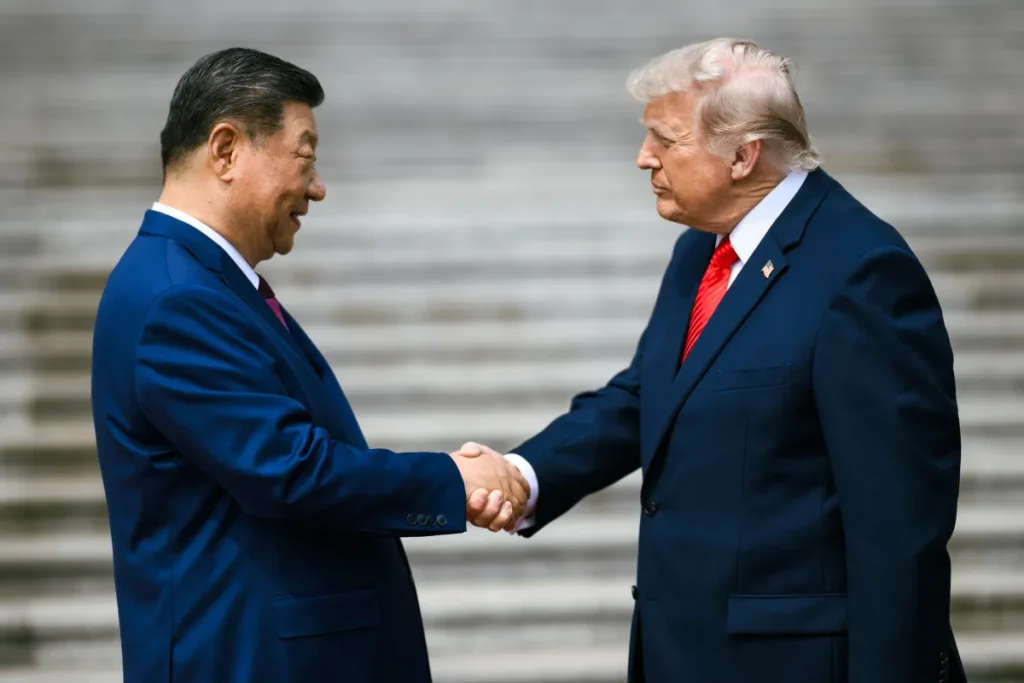
Table of Contents
Two presidents, Trump and Xi, met in Beijing last week. Trump was joined by more than a dozen CEOs, but the only concrete deliverable so far is an agreement for China to make $17 billion in agricultural purchases.
If you import from China, the last year and a half has been volatile. With an escalating tariff war and a truce that was on and off, your costs have gone up, margins have suffered, and your customers refuse to absorb it.
If you were hoping last week’s summit would lead to a major trade agreement, it didn’t. Both sides came away calling this meeting productive, and we may see some additional minor agreements emerge, but this US-China summit was far from a full reset.
However, the fact that it happened at all is significant. Let’s talk about what came out of the summit, what didn’t, and what importers should do next.
What’s the Impact of This Summit on Importers Who Source from China?
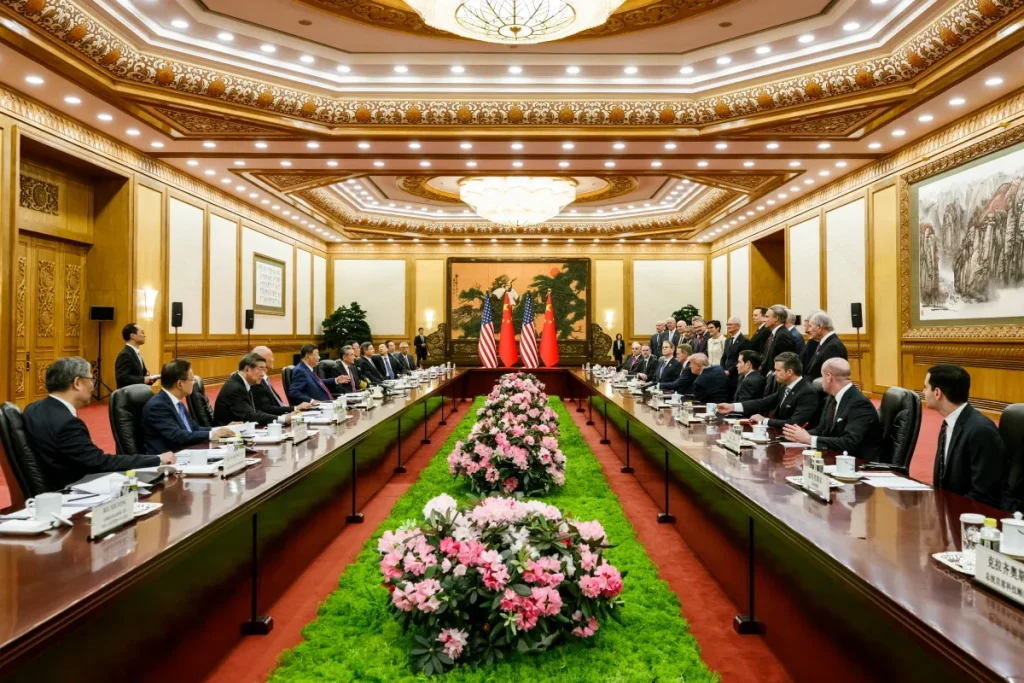
The fact that these meetings happened matters more than any dramatic announcements. The last few years have created a lot of uncertainties with tariff swings, political escalation, and sourcing instability.
Against that backdrop, two presidents sitting down, even with little to show for it, lowers the temperature. The communication channels are open.
Importers don’t need perfection, but they do need predictability. They want the ability to plan, with clearer visibility and fewer sudden disruptions.
Hope is Not a Sourcing Strategy
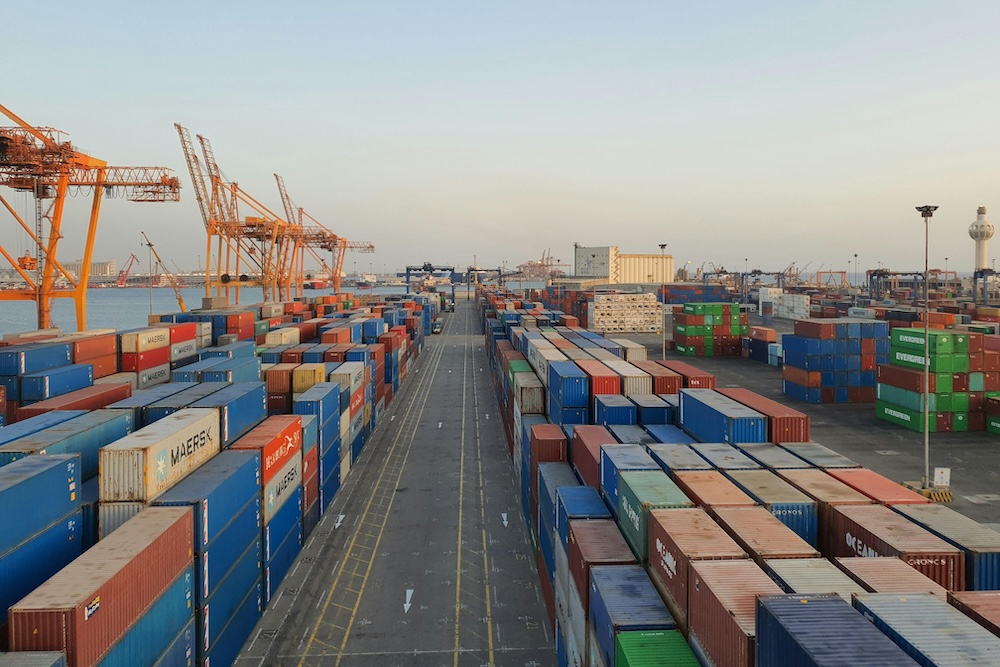
Tariffs are only one variable right now. Importers are also juggling logistics costs, increased energy costs, and continued geopolitical risk. Building a strategy around the hope of tariff relief is how you end up unprepared when the next reversal comes.
Don’t assume politics will stabilize, even temporarily. Don’t make panicked sourcing calls under pressure. The companies that got hurt most over the last few years weren’t the ones who saw the storm coming, but the ones who scrambled.
Focus on flexibility. In practice, that means:
- Consider establishing a qualified backup supplier in a second country
- Plan your inventory while accounting for two or three tariff scenarios, not one
- Get more visibility into your suppliers through continuous monitoring
- Establish sourcing splits that prevent any one country from being a single point of failure
You won’t predict policy perfectly. Plan for multiple outcomes so you don’t have to.
China Plus One Means Diversification, Not Replacement
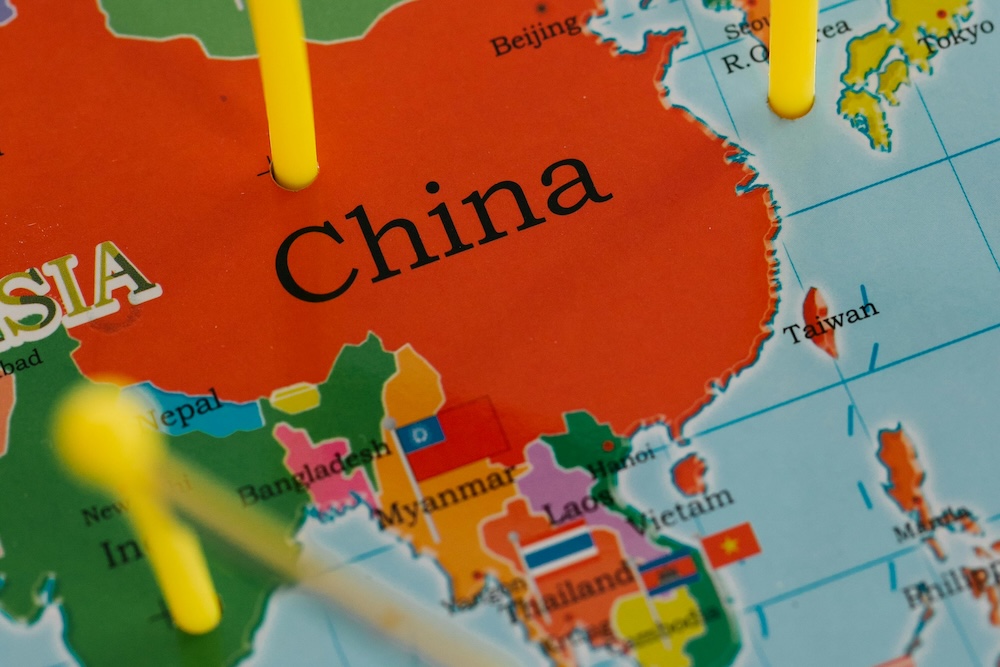
With the temperature dropping, some importers are asking whether the China plus one push is still worth the effort. It is. The goal was never to leave China, but to reduce single-country dependency, and that goal hasn’t changed.
Why does China still matter? It has the infrastructure, manufacturing depth, engineering capability, and supplier ecosystem. In most industries, no other country comes close. Companies that moved production out too fast often underestimated how hard it is to onboard new suppliers in less mature regions.
Switching countries doesn’t eliminate quality risk, but instead simply relocates it. A new supplier in Vietnam can drift the same way a Chinese supplier can. And sometimes it happens faster, because the ecosystem around them is younger.
The smart move is to aim for balanced sourcing with regional diversification. Keep China at the core, and build the plus-one to absorb shocks, not to replace your supply chain.
How Good Suppliers Quietly Go Bad
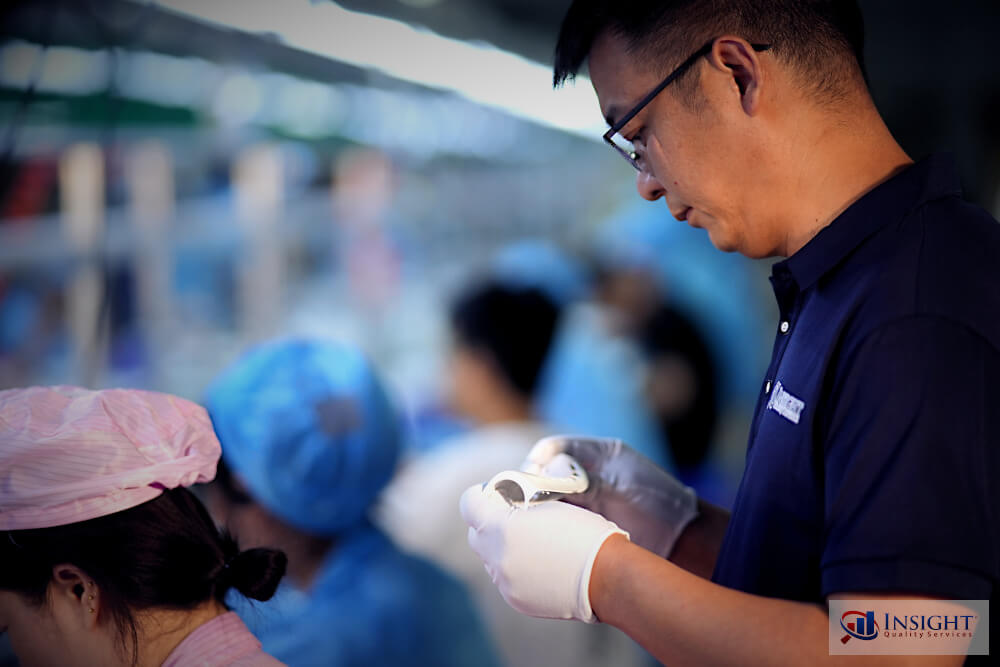
The geography of your sourcing matters less than how you manage it. A new country doesn’t lower your risk, but it changes the kind of risk you carry. And in every country, the same pattern shows up: supplier relationships rarely fail at the start. Instead, they drift.
Four mistakes cause most of that drift:
- Onboarding suppliers without rigor
- Sending fuzzy or incomplete specifications
- Assuming the factory understands what “good” looks like
- Going quiet after the first few shipments succeed
The fourth one is a big problem. Most failures happen after initial success because oversight relaxes and nobody’s paying attention. Quality is more than just a one-time validation. It requires regular contact with the factory, ongoing inspections, and a specification review every time the product changes.
A factory that was great for your first three shipments is the same factory that might quietly botch the eighth if you’re not watching. Stay engaged, or you’ll end up watching your supplier drift away from your standards in increments so small you won’t notice until a customer does.
Don’t Waste the Calm

Last week’s summit didn’t reset US-China trade. Tariffs, tech controls, and export rules are all still unsettled. However, the temperature came down, which means you have a window to make sourcing decisions that aren’t driven by panic.
Use that window and stop building a strategy around the hope that tariffs will fall. Keep diversifying, but don’t treat leaving China as the goal. Instead, focus on reducing single-country dependency. And remember that the country your supplier is in matters less than whether you’re still paying attention to them. The biggest risk is a quiet quality drift.
That’s the part Insight Quality helps you avoid. We put inspectors and auditors on the factory floor in 32 countries to help verify whether your suppliers are continually meeting the mark.
If you want eyes on your suppliers before drift becomes a major quality issue, contact us.

AQL Inspections 101: How They are Conducted
Authors