How to Manage Product Risk in 2026 (8 Key Insights)


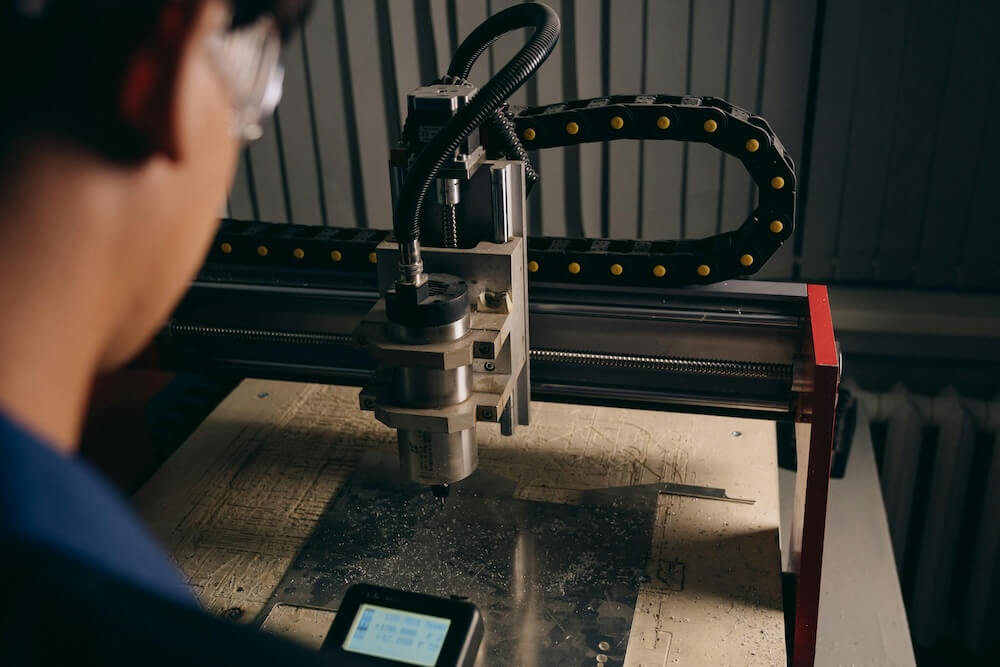
Table of Contents
In modern supply chains, yesterday’s compliant product can quietly become today’s liability.
Most quality failures don’t come from one obvious mistake, but from small changes that stack up over time—material substitutions, skipped tests, or assumptions that nothing has changed. As products, suppliers, and regulations evolve, static quality programs fall behind.
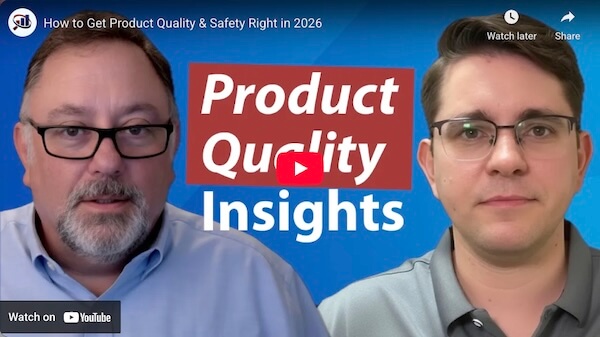
In this episode of Supply Chain Signals, we break down how risk really accumulates and what continuous verification looks like in practice. Watch the video or read about our eight key insights from its content, below.
Insight #1: Recalls Are No Longer Rare Events
Product recalls have become a routine risk of doing business. In the U.S. alone, hundreds of consumer products are recalled each year, often across everyday categories such as electronics, furniture, toys, and household goods.
These recalls don’t just affect global brands; smaller importers and private-label sellers are increasingly exposed to them. The common thread is underestimated risk. As supply chains grow more complex and regulations evolve, even minor oversights can trigger serious consequences.
For quality and compliance leaders, the lesson is clear: recalls need to be avoided, and that requires active management.
Insight #2: Quality Failures are Decided Early and Discovered Late
Quality failures are rarely sudden. They’re usually decided early in the product lifecycle and only discovered much later, when fixing them is expensive or impossible.
Material substitutions, unclear specifications, or skipped verification during sampling and pre-production often set problems in motion.
By the time issues surface at final inspection—or after goods are already in transit—teams are forced to resort to rework, delays, or recalls. The lesson for quality and compliance leaders is straightforward: risk is created upstream.
Catching problems early, when changes are easier to make, is the most effective way to protect both margins and brand reputation.
Insight #3: Small “Harmless” Changes Can Create Big Compliance Failures
Many compliance failures don’t come from obvious mistakes, but from small changes that seem harmless at the time.
A substituted material, a minor packaging adjustment, or a skipped retest can quietly alter a product’s safety and compliance profile. Individually, these decisions rarely raise alarms. Together, they compound into a serious risk.
When changes aren’t documented, reviewed, or reverified, teams lose visibility and control. For quality and compliance leaders, the takeaway is clear: there are no truly “small” changes.
Every modification—no matter how minor it appears—needs to be evaluated, traced, and, when required, retested to prevent downstream compliance failures.
Insight #4: Effective Verification Involves Ongoing Oversight, Not Just End-of-Line Checking
Effective verification involves more than a single inspection at the end of production. It’s an ongoing process that provides visibility and control throughout the product lifecycle.
Relying only on final inspections means you only find problems when options are limited and costs are high. A more robust system of verification includes pre-production approvals, in-process inspections, testing, and documented traceability as conditions change.
Suppliers, materials, and regulations evolve, and verification must keep pace with those changes.
For quality and compliance leaders, the message is simple: continuous oversight prevents surprises, reduces downstream risk, and turns quality control from a reactive checkpoint into a proactive risk-management system.
Insight #5: In-Process Inspections Prevent Problems That Final Inspections Can’t
Final inspections reveal what went wrong after production is finished, but they do little to prevent problems from forming in the first place.
In-process inspections provide visibility while production is underway, when issues can still be corrected without high cost or disruption. They help catch material substitutions, process deviations, and quality drift before defects multiply across thousands of units.
Although often avoided due to time or cost concerns, in-process inspections typically reduce overall risk and expense. For quality and compliance leaders, they represent one of the most effective ways to shift quality control from reactive damage control to proactive prevention.
Insight #6: The Most Haunting Failures Are the Ones You Almost Miss
The most dangerous product failures are often the ones that nearly happen.
These “near misses” look acceptable on the surface, pass visual checks, and meet basic specifications, yet hide weaknesses that only appear under stress or real-world use.
Without testing, in-process inspections, or early verification, these issues remain invisible until a failed inspection forces attention. What makes near misses so risky is their normal appearance; they don’t trigger alarms until an order is about to ship.
For quality and compliance leaders, near misses aren’t reassurance; they’re warnings. Treating them as signals, not luck, is essential to preventing serious safety failures.
Insight #7: Quality and Compliance Will Break Down Without Clear Ownership
Quality and compliance programs fail most often not because processes are missing, but because ownership is unclear.
When responsibility is shared too broadly, critical details fall through the cracks as everyone assumes someone else is watching. Changes go unreviewed, verification steps are skipped, and risks accumulate unnoticed.
Clear ownership creates accountability, follow-through, and visibility across the product lifecycle. It ensures that quality and safety aren’t treated as side tasks, but as defined responsibilities.
For consumer product companies, assigning and documenting ownership is often the fastest and most effective step toward reducing risk and preventing costly failures.
Insight # 8: Ongoing Verification Is Non-Negotiable
Ongoing verification is essential because product risk doesn’t stand still. Suppliers change materials, staff turns over, processes evolve, and regulations are updated without obvious signals.
A product that was compliant last year, or even last quarter, may no longer meet the same risk profile today.
One-time audits or annual inspections can’t account for this constant change. Continuous verification provides the visibility needed to catch shifts early, before they become costly problems.
Quality and compliance leaders need to understand that ongoing verification isn’t about mistrust, but about maintaining control in a dynamic supply chain where assumptions quickly become liabilities.
AQL Inspections 101: How They are Conducted
Authors