
Don’t Let Packaging Failures Eat Into Your Margins


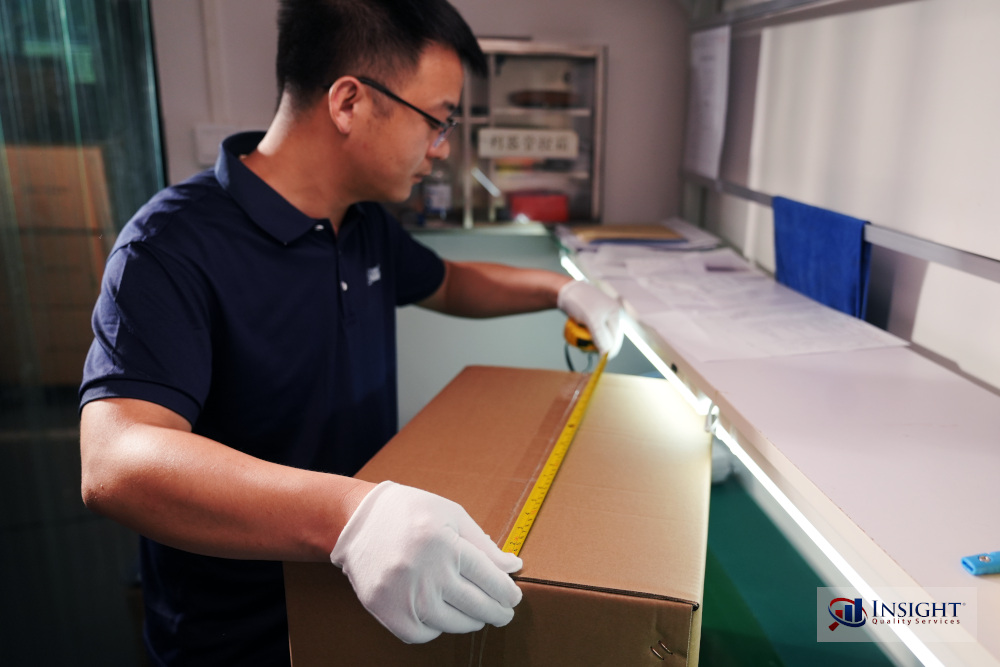
Table of Contents
The inspector pushed a chopstick into the corrugate, and it went straight through. The boxes were supposed to be rated for 200 PSI. They weren’t.
This is what happens when brands treat packaging as an afterthought. They may have gone back and forth with the factory for weeks on the product itself, painstakingly hammering out every detail. Then, packaging came up, and they said, “I’ll pick that one,” and moved on.
The problem is getting worse as brands push to meet sustainability targets. Thinner walls, lighter materials, recycled fiber. On paper, it all sounds responsible.
However, without the proper work, the trade-off shows up when the carton reaches the truck, the warehouse, or the customer’s doorstep. The cost only becomes evident when transit damage, retailer chargebacks, and returns start quietly eating through margin.
Here, we discuss the most common quality risks that come from ignoring packaging, why you shouldn’t make changes to it without proper specifying and testing, and what to do before production to avoid quality issues.
Are You Overlooking Your Packaging Specifications?
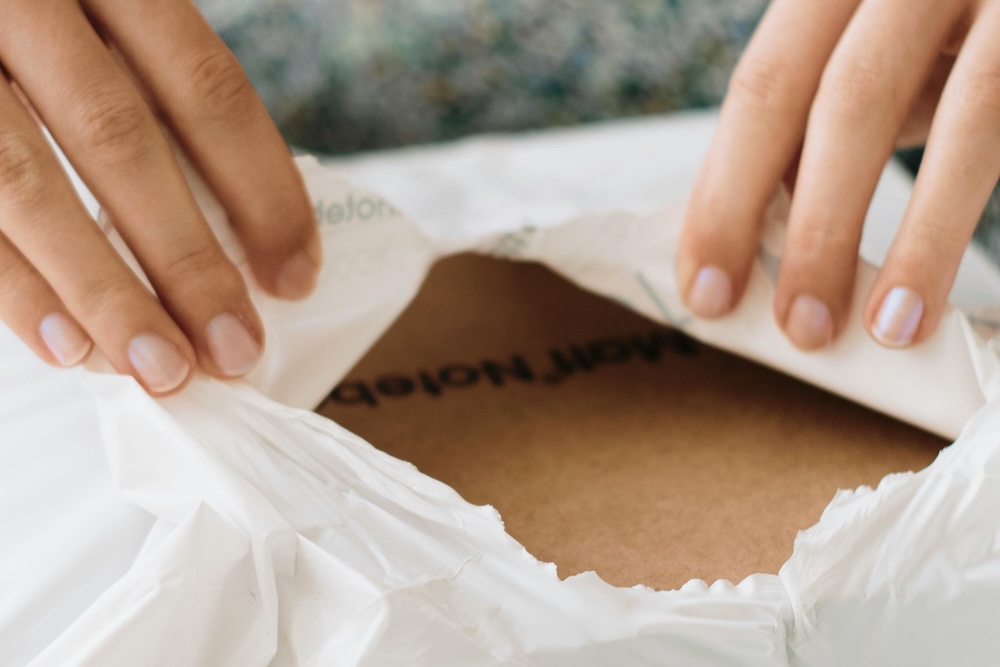
Most companies do. Some expend enormous energy creating product specs or technical specs, but treat packaging as a secondary detail… Until a major quality issue arises.
Your packaging is the thing that protects your product all the way to the customer. If it isn’t properly designed or controlled, you end up with damage in transit, higher return rates, and a poor unboxing experience.
There are different ways to approach it. Some importers create dual specifications, one for items sold online and another for items going into retail. But that’s getting harder. A lot of customers now mix their inventory in warehouses so they can shift product between brick-and-mortar and online on demand. Your packaging needs to hold up in either case.
That means taking the time to develop both your outer and inner packaging specs. Without them, you can’t catch the problems that come next.
The Most Common Packaging Issues We Discover on the Factory Floor
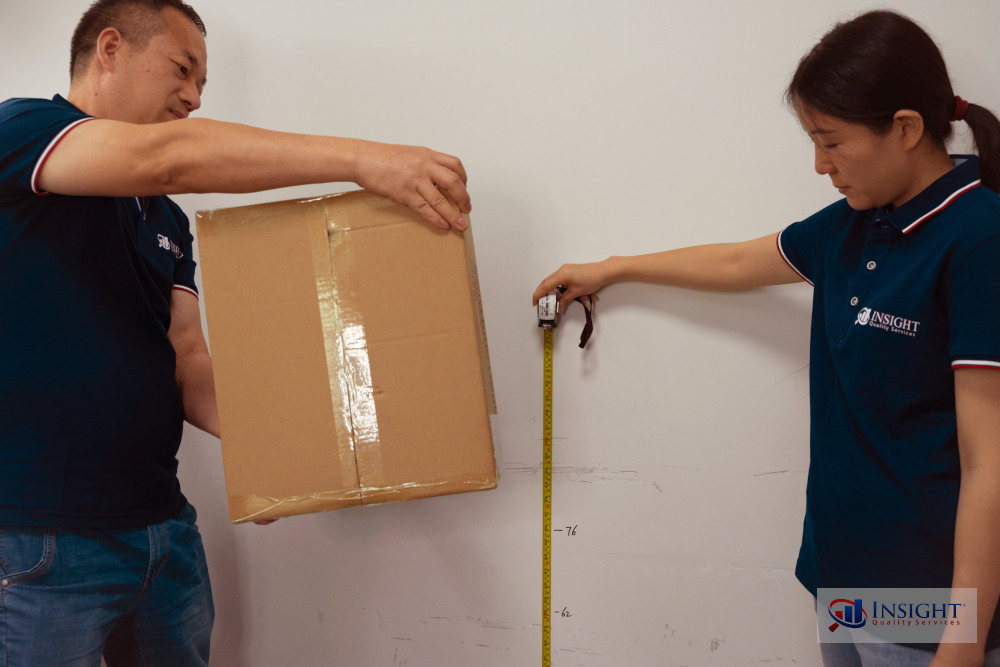
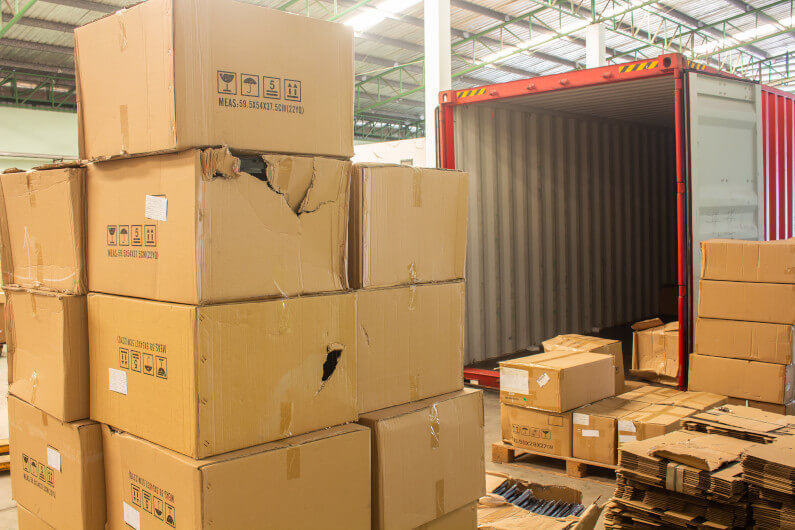
Four issues occur frequently: unannounced material changes, weak construction, poor protective design, and labeling and barcode issues. Each one is invisible until it isn’t.
Unannounced material changes are the hardest to catch. A factory switches to thinner corrugate or a lower-grade liner to manage its own cost pressures, and you don’t find out until a carton fails. The way to spot it earlier is by testing.
Burst strength testing verifies the proper thickness of corrugate. You can send samples to a testing lab, since many factories don’t have that equipment on-site, but it isn’t cost-effective to test every shipment. So there are field tests an inspector can run. The chopstick check from the opening of this article is one of them. Carton drop tests also help to verify packaging strength.
Another manifestation of weak construction is seal integrity, especially with liquid or powder products. Bad seals lead to leaks, and leaks lead to damaged shipments.
Poor protective design is different. The materials might be fine, but the design lets the product knock around inside the carton. Inadequate cushioning or a loose fit, and the product arrives damaged.
Labeling and barcode issues round out the list. With more automation in distribution centers, it’s critical that barcodes scan and adhere properly to the master carton. If dimensions or weight are printed incorrectly, or a barcode won’t scan, retailers issue chargebacks.
The danger doesn’t come from one big failure, but from small compromises that keep stacking up. Damaged goods, distribution delays, and entire shipments that need to be reworked. That’s the cost of skipping the basics.
How Do Importers Avoid These Issues?
Treat packaging as part of the product, not as an afterthought. Here are two steps.
First, create specifications, document them clearly, and communicate them to your factory. Start early, during pre-production or design. Consider working with a packaging engineer, the factory, and a lab testing partner to ensure the packaging you’ve designed meets your needs. That way, you can be confident the product you’re shipping reaches the end consumer without damage.
Second, validate the materials being used by incorporating packaging checks into your quality control process. At the factory level, that means adding a carton drop test and seal-integrity checks to your inspection checklist to verify that the packaging matches approved specifications.
The earlier issues are caught, the less expensive they are to fix. Once the shipment leaves the factory, your options narrow. Reworking a product in your market country gets expensive fast. Packaging is invisible when it works, and very expensive when it doesn’t.
Need Help to Ensure Your Packaging Quality?
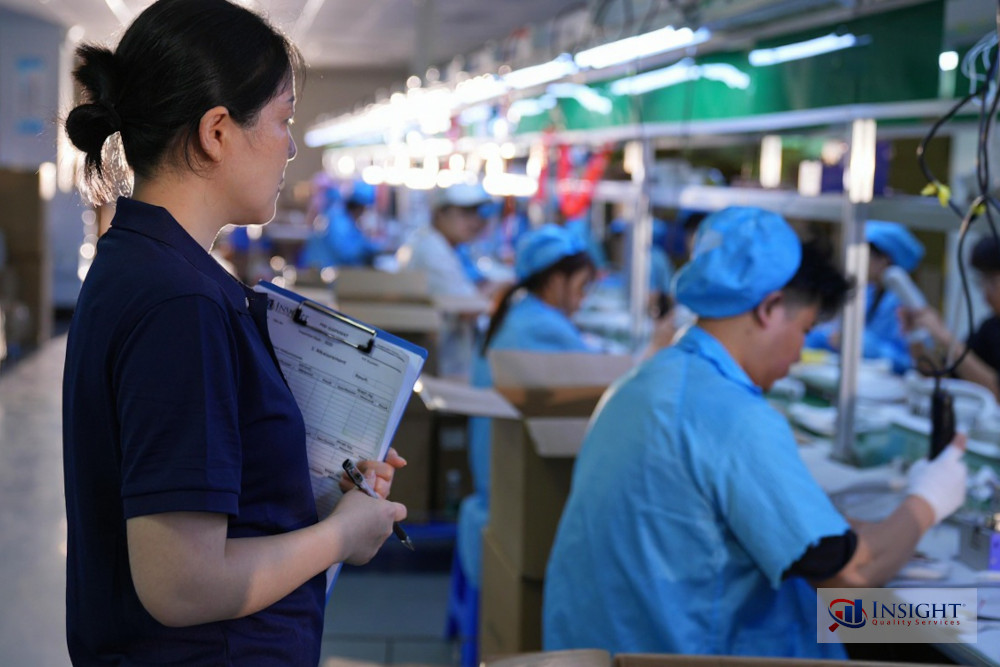
If you need someone on the ground at your facility to do those product and packaging checks, reach out to us about our product inspection services. We have inspectors available in 32 countries, and we can also help you manage lab testing for your product and packaging.
Talk to us about how we can support your quality control efforts.
AQL Inspections 101: How They are Conducted
Authors