
Quality and Compliance Trends in 2026: Traceability, Sustainability, Supplier Oversight


Table of Contents
For years, quality and compliance managers focused on one thing: the factory making their product.
In 2026, if you want to minimize your company’s risk, this focus is too myopic. You need to consider whether traceability extends to your upstream suppliers, how sustainability initiatives affect your product performance, and how far your oversight extends beyond tier one.
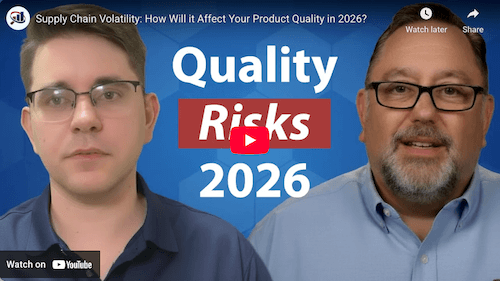
In this video, we talk about how to manage quality and compliance in the coming year.
2025 Proved Volatility Is the New Baseline

If 2025 felt like a roller coaster, that’s because it was. Tariff uncertainty, shifting trade policies, and uneven supply chain stability forced many importers into a reactive mode. What stood out most wasn’t any single disruption, but the realization that volatility is no longer the exception, but is now the operating environment.
In response, companies moved away from pure just-in-time models and began building just-in-case buffers, especially for critical SKUs. Multi-sourcing, mirror sourcing, and supply chain stress-testing became mainstream rather than optional. Nearshoring and reshoring accelerated, while China+1 has quietly evolved into China+many, with companies exploring Southeast Asia, India, and even parts of Europe.
One lesson became clear: supplier relationships matter more than ever. As production footprints expand, collaboration and transparency with factories—and with service providers supporting inspections, audits, and testing—are critical. The ability to scale quality oversight across countries is now a core requirement, not a nice-to-have.
The Quality Control Trends Shaping 2026
Looking ahead to 2026, several forces are converging to reshape quality control programs.
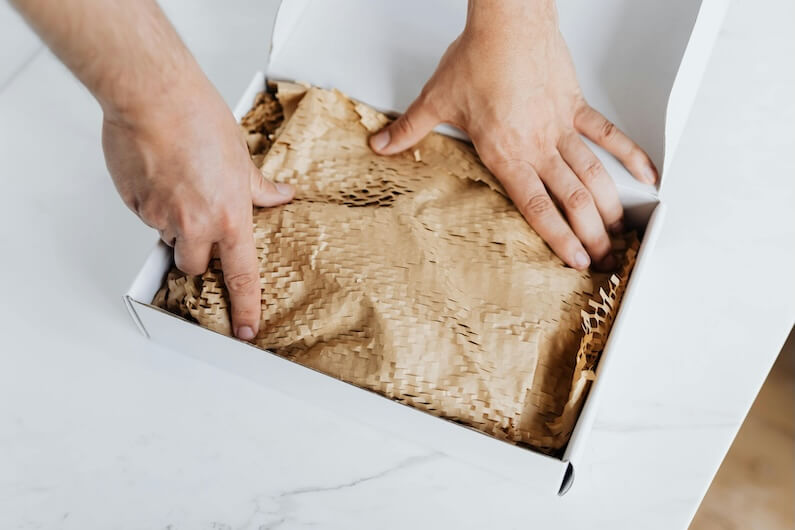
First, sustainability is becoming operational. The use of eco-materials and sustainable packaging directly affects product durability, transit damage, and consumer experience. These choices can no longer be made in isolation from quality teams.
Second, end-to-end traceability is accelerating fast. New and evolving regulations in the U.S. and Europe are pushing companies to trace products beyond tier-one factories—back to farms, mines, and raw material sources. Visibility into tier two and three suppliers is becoming a baseline expectation, not an advanced capability.
Third, supplier oversight is expanding in scope. Quality cannot focus solely on finished goods inspections. It now includes upstream materials, packaging suppliers, and recall readiness. Risk-based audits and traceability audits are increasingly important tools.
Finally, workforce changes are quietly reshaping factories. Labor shortages, retention challenges, and increasing automation are changing how products are made. While AI adoption in manufacturing may be a longer-term trend, automation and skill shifts are already impacting consistency and quality on the factory floor.
How Companies Should Respond in 2026

To manage quality and compliance effectively in 2026, companies need to start earlier and think broader.
Quality should be embedded at the product development stage—during design, sourcing, and prototyping—not inspected in at the end. Early durability, safety, and regulatory testing can prevent costly missteps later.
Traceability programs must extend end-to-end. This includes strengthening supplier documentation, conducting traceability audits, and ensuring factories can trace components upstream in the event of a recall or regulatory inquiry. Digital tools such as batch tracking, QR codes, or RFID can support this effort.
Supplier oversight should be risk-based and tier-aware, covering not only factories but also materials and packaging suppliers. Sustainability and packaging decisions should be evaluated through a quality lens, not just a compliance one.
Ultimately, quality in 2026 is no longer a checkpoint. It’s a system. Companies that design their quality and compliance programs for volatility, visibility, and upstream risk will be better positioned to protect their brands—and avoid unpleasant surprises—in the year ahead.
Or, download the free guide below.
AQL Inspections 101: How They are Conducted
Authors