
Your First Order at a New Factory Just Passed Inspection. That’s Not the Whole Story.


Table of Contents
You just moved part of your production to a new country, such as Vietnam, India, or Cambodia, or have added a new supplier in China. The first PO comes off the line, and you conduct a pre-shipment inspection.
Upon reviewing your report, you can see the result says PASS.
That tells you the shipment met your standards, but if you dig deeper, there’s a lot more to learn, and you may find hidden clues that lead you to supplier issues.
Most importers miss warning signs because they read their report for the green light and file it away. It’s important to keep in mind, though, that the danger you face as an importer doesn’t come from one big failure, but from small compromises that start to stack up while you’re busy focusing on the rest of your supply chain.
Here, we discuss what to look for in your inspection data when you’re working with a factory that doesn’t yet have a track record with you.
What “PASS” Doesn’t Tell You About a New Factory
A passed inspection is not the same thing as a perfect inspection. Even an order that passes can have issues logged below the rejection threshold. With a brand new factory, those observations are your earliest read on the relationship.
Three things to watch starting from the first PO:
- Defect patterns. Are there random minor issues across the order, or a concentrated one in a particular component or workstation?
- Process discipline. Was the factory organized when the inspector walked in, or chaotic? A good inspector (like Insight) can tell you.
- Factory response. When the inspector flagged something, did the factory propose a fix, or did they immediately explain why you should accept the order? Defensiveness is a red flag.
When you’re working with a new manufacturer, you don’t have years of history to lean on. The first report is most of what you have.
Watch the Second and Third PO Even More Closely Than the First
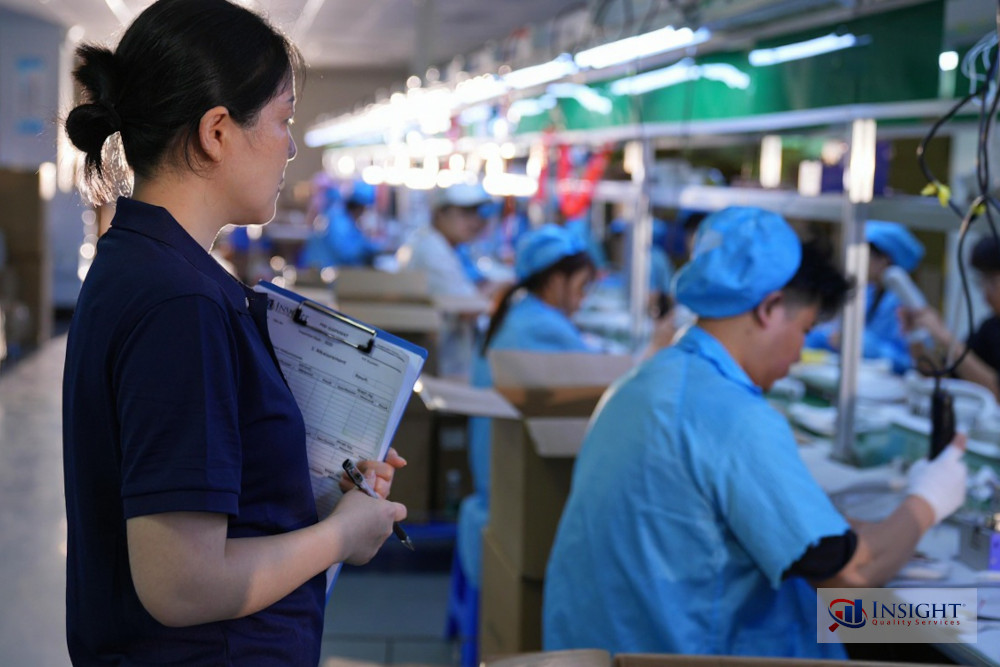
When a factory has an issue and addresses it, that issue should not show up on PO 2, 3, and 4. If it does, you’re looking at a discipline problem with your factory.
Quality fade rarely announces itself. It shows up as the same small observation appearing in three consecutive reports, while everyone is busy congratulating themselves that the orders keep passing.
So it’s critical to maintain your own quality processes during the honeymoon period. The biggest mistakes happen when buyers assume everything will remain the same.
Running Parallel Factories While Diversifying or Scaling Up? Read the Data Across Them.

If you’re starting up production with a new supplier while keeping your incumbent factory active, your inspection reports become a comparison set. That comparison is more useful than either report alone.
Here’s what we’ve learned at Insight: if the same defect shows up across multiple factories in the same product category, it’s almost never a factory problem. It’s a specification or communication problem, and the fix lives upstream in your documents, not on the production line.
If the defects are random, scattered with no clear correlation between factories, that’s a different signal. It usually means you could benefit from conducting your inspections earlier. In-process or top-of-production inspections catch issues while there’s still time to correct them.
With two factories running, the smart question isn’t which one failed, but which pattern you’re seeing across both. A repeating defect means the fix is in your specs, while scattered defects mean you’d benefit from different inspection timing to determine and fix the source of the issues, such as with during production (DUPRO) inspections.
Why This Matters More During a Sourcing Shift
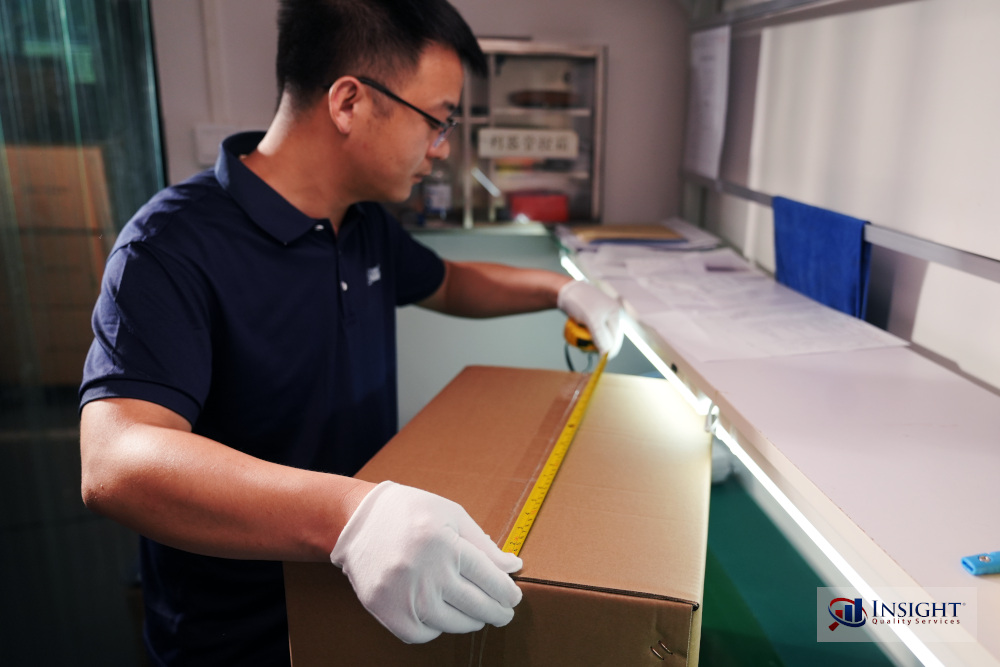
When you look for patterns in your inspection results, it helps you work toward lower defect rates and fewer last-minute surprises. That way you can hit your ship date targets so your retail partners get product on the shelf, and your ecommerce inventory doesn’t go to zero.
That matters more during a sourcing transition than at any other time because you don’t have a backup plan if the new factory misses. The incumbent is already being wound down.
So dig down to find the root cause rather than simply addressing the symptoms. When the same defect repeats, fix it upstream. And when defects are more scattered, consider moving inspections earlier to catch issues on the production line.
Work With an Inspection Partner That Shares Insights You Can Trust

Most of the importers we work with don’t have large quality teams that can be at every factory, especially during a sourcing shift. That’s where having someone on the ground matters. Not just to inspect the goods, but to flag the patterns, walk the floor, and talk to the factory directly when something looks off.
We offer product inspection services in 32 countries, and we work as an extension of your team rather than a detached third party. Whether you’re vetting a new manufacturer or running parallel factories during a transition, we can help you read what your reports are actually telling you.
Reach out, and we’d be happy to share our insights into your situation →
AQL Inspections 101: How They are Conducted
Authors