
How the Iran Oil Disruption Creates Hidden Quality Risks for Importers



Table of Contents
20 million barrels of oil passed through the Strait of Hormuz every single day in 2025. And the conflict that erupted in Iran this year has disrupted that flow.
Shipping, raw materials, and factory operations costs have all gone up as a result, which means your costs as an importer have increased, too. More than that, the way this disruption affects your suppliers also creates hidden quality and compliance risks.
Here, we discuss the rising costs this conflict is creating and the quality risks you now face as someone with an international supply chain. So, that begs the question…
What Kind of Pressure are Importers and Their Suppliers Facing Now?

The conflict in Iran has disrupted the oil supply and put pressure on both suppliers and importers. One of the main symptoms is margin compression.
Manufacturers are facing higher raw material costs, especially for oil-derived plastics such as HDPE and PE. They are also facing higher production costs due to oil’s role in operating machinery. Importers are facing higher shipping costs and customer resistance if they try to raise prices. This leads to tension, price negotiations, and delays in decision-making.
Some factories are also holding off on purchasing incoming raw materials, hoping prices will come down, so they don’t have to negotiate or discuss pricing and revised shipping dates with their customers
Meanwhile, importers are delaying the issuance of their P.O.s, requesting shipping delays, or advising the factory to postpone production. They’re waiting — hoping — for an eventual price change. The pressure everyone is facing now does more than just raise prices; it distorts behavior.
With Factories Under Pressure, How Might Quality Start to Slip?
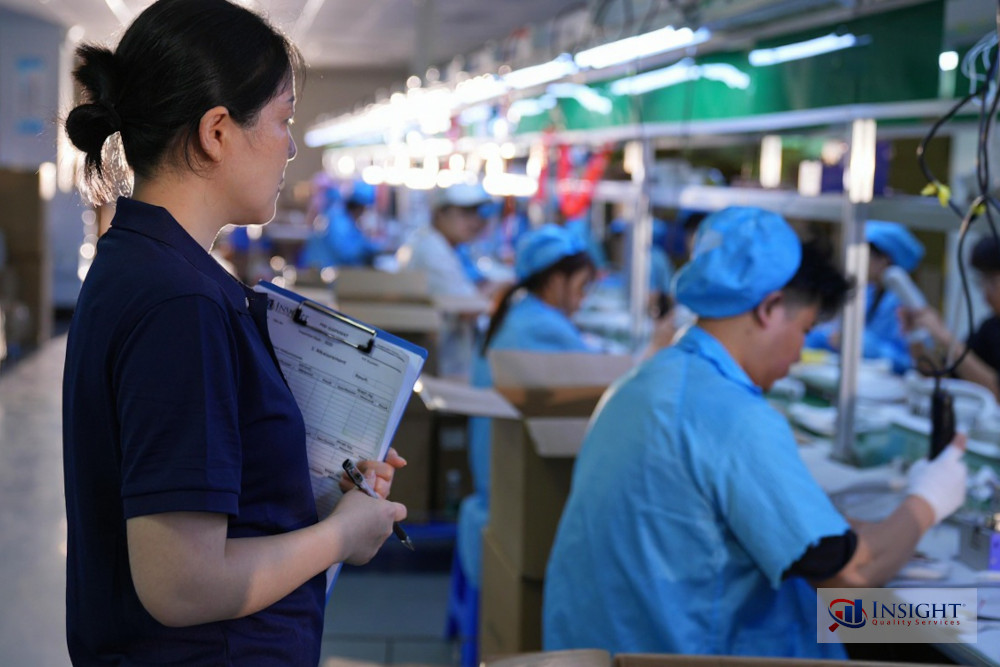
Any time our clients’ suppliers face cost pressure, there is one area in particular that they tend to slip up, quality-wise. It’s often hard to see, but they may start substituting different raw materials or components.
Factories sometimes make these substitutions to reduce costs without advising their customer.
Another problem we see is that suppliers run into labor issues. Due to inconsistent production demand, some employees leave the workplace, and the factory doesn’t replace them. Now you have fewer workers when demand ramps back up.
This leads to inconsistencies in the experience of the workforce. So, you get weaker adherence to specifications, compliance shortcuts, and less effective internal quality control. For example, employees might not send every batch of incoming raw materials for testing, even if that testing is a normal part of the factory’s quality process.
The danger doesn’t come from one big failure, but from small compromises that keep stacking up. So it’s critical to maintain your own quality processes during these times of pressure.
What Should Importers Do Differently Now to Protect Themselves From the Quality Risks?
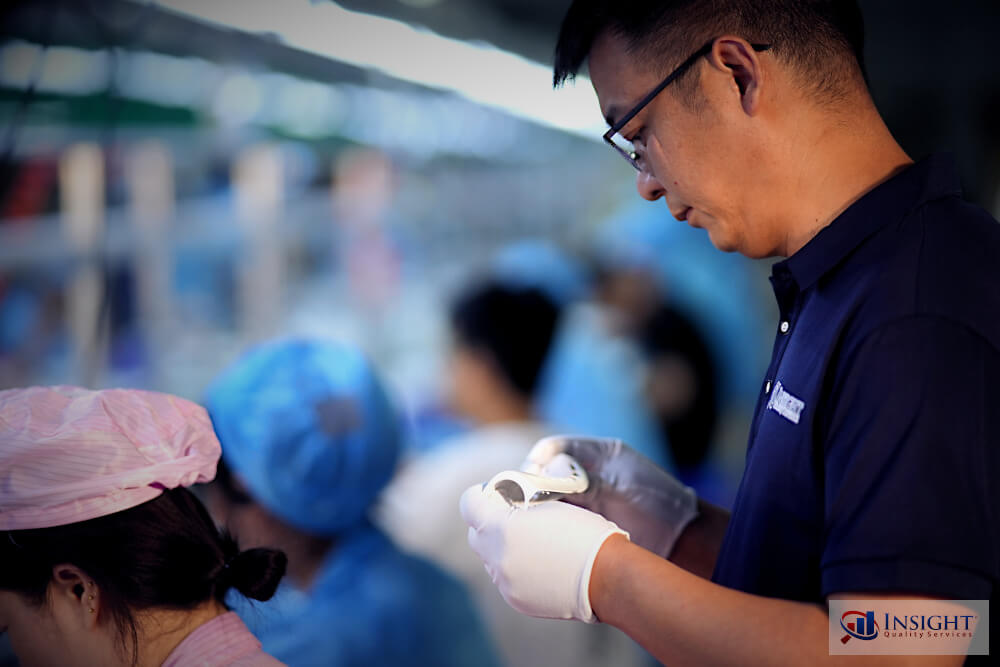
Since cost pressures lead to material substitution and labor-related quality risks, importers need to shift from being reactive to being proactive. That means increasing visibility into production, or at the very least avoiding a decrease in it.
Whether you have your own team on the ground or use a third-party quality inspector (like Insight), you need eyes on the factory floor to ensure your suppliers are maintaining their quality processes.
Of course, more frequent inspections are a proactive step, but they come with increased cost. One thing you can do without raising costs is improve communication with your suppliers. You should make sure they understand your expectations amid the current cost pressures.
It’s critical to be very clear about non-negotiables around quality, compliance, and material substitution. Understand that your supplier is under pressure just like you are, so you need to be in communication to find alignment.
Also, recognize that if you push them too hard on their price, you’re increasing your risk. The companies that navigate this well are the ones that stay engaged and treat risk management as an active process, not just a box to check.
When costs rise, risks shift. The biggest mistakes happen when buyers assume everything will remain the same.
If you need to get someone on the ground at your supplier’s facility to conduct inspections and manage these risks, reach out to us. We offer product inspection services in 32 countries and would be happy to discuss your situation.
We also recommend you download our guide to third-party inspections.
AQL Inspections 101: How They are Conducted
Authors