6 Types of Factory Audits That Will Help You Assess Your Supplier



Table of Contents
A single supplier failure can derail a product launch, trigger costly recalls, or expose your company to serious legal and reputational risk. Yet many businesses only discover problems with their manufacturing partners after something has already gone wrong.
Factory audits are one of the most effective tools you have to get ahead of those risks, but not all audits are created equal. Each type is designed to uncover a different set of risks, so the one you choose should reflect what you’re actually trying to find out. Selecting the right audit for your situation is what ensures you get meaningful, actionable results.
There are six main types of factory audits, each designed to answer a different set of questions about your supplier. Whether you’re vetting a new manufacturer, monitoring an existing partner, or working to meet specific regulatory requirements, understanding the distinctions will help you make smarter decisions about how and when to audit.
#1 Capability Audit
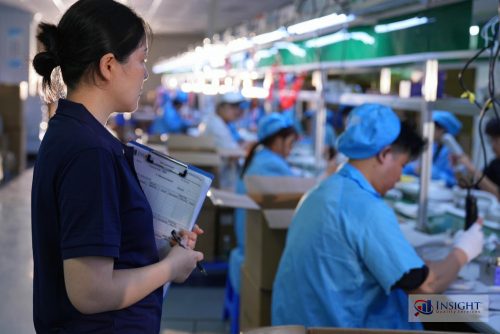
Before committing to a new manufacturer or asking an existing one to scale up, you need to know whether they can actually deliver. Many suppliers will say they have the equipment, workforce, and capacity to meet your needs. A capability audit lets you verify that independently.
This type of audit assesses whether a supplier has the technical capability to produce your product to specification, and the production capacity to deliver it on time and at volume. It’s particularly valuable when you’re onboarding a new partner, expanding your product line, or planning a significant increase in order quantities. The last thing you want is to discover a capacity problem after you’ve already committed.
Learn More About Capability Audits→
#2 Quality Audit

If you’ve had product quality issues or simply want confidence that your supplier is managing quality effectively, a quality audit examines the systems and processes they have in place to prevent defects and maintain consistency.
Your supplier may hold an ISO 9001 certification, but that’s a snapshot in time. Circumstances change, personnel turn over, and processes drift. A quality audit goes beyond the certificate to assess how their quality management system (QMS) is actually functioning today, and whether it meets your specific requirements. Conducting these audits regularly gives you early warning of problems before they show up in your finished goods.
Learn More About Quality Audits→
#3 Security/C-TPAT Audit
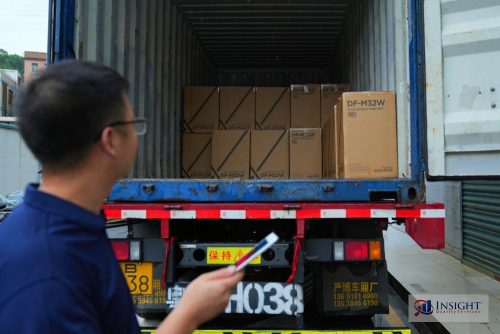
If your company imports products into the United States, you may participate in or be considering the C-TPAT (Customs-Trade Partnership Against Terrorism) program. C-TPAT membership allows companies to reduce customs examinations and speed up border clearance, but it comes with supply chain security obligations that extend to your manufacturing partners.
A security audit assesses your supplier’s physical access controls, facility security, and procedural safeguards to identify gaps that could jeopardize your C-TPAT compliance. It gives you a clear picture of where your supplier stands and what needs to be addressed to meet program requirements.
Learn More About Security Audits→
#4 Social Compliance Audit
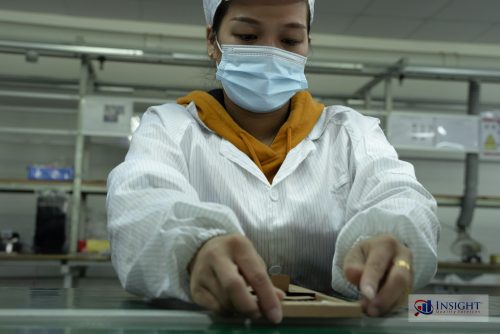
Labor violations in manufacturing supply chains are more common than many companies realize and more damaging when they come to light. If your business is committed to ethical sourcing, or if customers are asking harder questions about your supply chain, a social compliance audit gives you documented evidence of where your suppliers stand.
These audits use the SA8000 standard as a framework, examining areas such as child labor, forced labor, worker health and safety, working hours, and wages. The goal isn’t just to check a box, but to identify real risks and work with suppliers to address them, building a supply chain your company can stand behind.
Learn More About Social Audits→
#5 Environmental Audit

Sustainability commitments mean little if they stop at your own facility. If your company has environmental goals, such as reducing emissions, minimizing waste, or limiting contamination, those standards need to extend to the factories producing your goods.
An environmental audit assesses your supplier against the ISO 14000 family of international standards, examining their environmental management systems, energy usage, emissions, and waste handling practices. It gives you an honest picture of whether their operations align with your requirements, and where improvements may be needed.
Learn More About Environmental Audits→
#6 Traceability Audit
Do you know where your raw materials actually come from? A supplier may provide documentation showing the origin of their materials, but paperwork alone doesn’t always tell the full story, especially in higher-risk supply chains where fraud and misrepresentation are known problems.
A traceability audit examines whether a manufacturer can genuinely trace materials and components back through the supply chain to their true source. Your auditor will review bills of lading, invoices, and supplier records, while also assessing whether the factory has the systems in place to verify origin claims and flag discrepancies.
This type of audit is becoming increasingly important as regulations tighten. In the US, the Uyghur Forced Labor Prevention Act (UFLPA) places the burden of proof on importers to demonstrate that goods are free from forced labor. In the EU, the General Product Safety Regulation (GPSR) raises the bar on supply chain due diligence more broadly. A traceability audit helps you meet those obligations before regulators or your customers come asking.
Audits Don’t Have to be One-Size-Fits-All
The six categories above cover the most common audit needs, but your situation may not fit neatly into any one of them. You might need to assess quality systems and labor practices in the same visit, or build a custom evaluation framework for a specific product category or regulatory requirement.
Insight offers tailored audits designed around your specific needs, not just off-the-shelf assessments. If you’re thinking about auditing a supplier and aren’t sure where to start, we can help you determine the right approach. Take a look at our factory audit services, download our free guide, or get in touch to talk through your options.
Note: This article was originally posted in 2022 and has since been updated.
AQL Inspections 101: How They are Conducted
Authors