
Thank you!
We will continue to send you our newsletter.
For more great content, please take a look at our most recent blog articles below.

Packaging Inspection: 5 Things to Include on Your Quality Checklist
Insight Team | September 3, 2026
Packaging, Product Inspections, Quality Control

Your Defects Didn’t Start on the Production Line. They Started Months Earlier.
Insight Team | July 29, 2026
Quality Control

Why New Supplier Quality Drops 3 to 6 Months In (and How to Prevent It)
Insight Team | June 18, 2026
Uncategorized

Your First Order at a New Factory Just Passed Inspection. That’s Not the Whole Story.
Insight Team | June 4, 2026
Quality Control
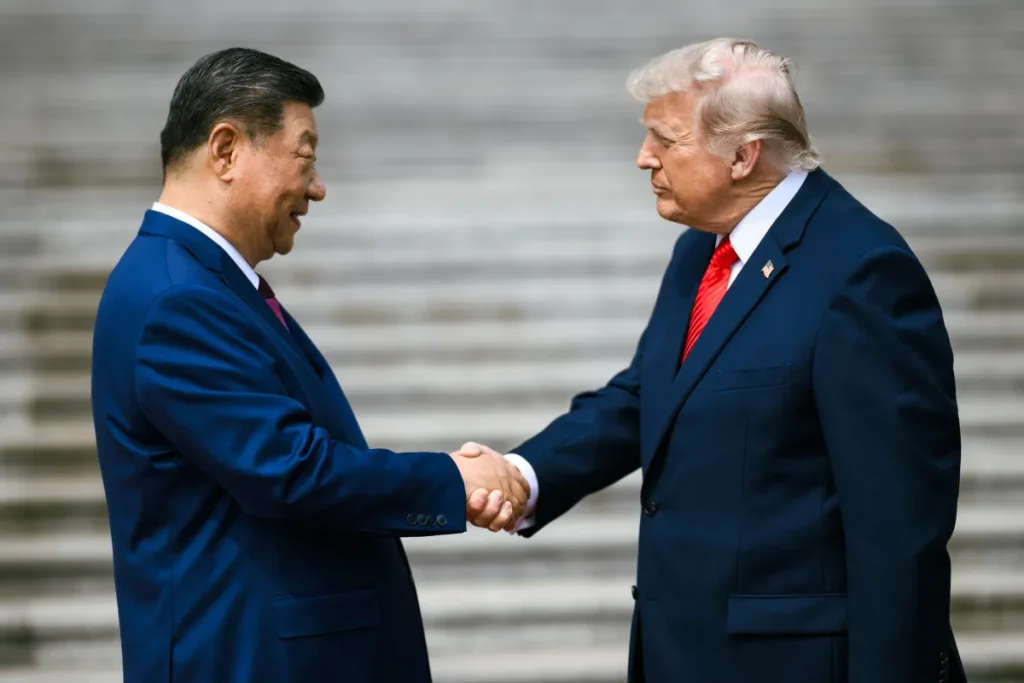
Hope Is Not a Sourcing Strategy: What to Do After the Trump-Xi Summit
Insight Team | May 19, 2026
Current Events, Supply Chain Management


How the Iran Oil Disruption Creates Hidden Quality Risks for Importers
Insight Team | April 7, 2026
Supply Chain Management

6 Types of Factory Audits That Will Help You Assess Your Supplier
Insight Team | March 18, 2026
Factory Audits, Quality Assurance

Piece-by-Piece Inspection in China: Costs, Practical Limits, and Better Options
Insight Team | January 21, 2026
Product Inspections, Quality Control
How to Manage Product Risk in 2026 (8 Key Insights)
Insight Team | January 5, 2026
Supply Chain Management

Quality and Compliance Trends in 2026: Traceability, Sustainability, Supplier Oversight
Insight Team | December 1, 2025
Supply Chain Management

China Inspection Services: How Smart Importers Avoid Costly Surprises
Insight Team | November 18, 2025
Product Inspections, Quality Control

Diversifying from China: Why Due Diligence Matters More Than Ever
Insight Team | October 28, 2025
Factory Audits

Chinese New Year 2026: How to Prepare for the Factory Shutdown
Insight Team | October 9, 2025
China, Supply Chain Management

When to Stop Inspecting Every Shipment: A Strategic Guide to Skip-Lot Inspections
Insight Team | September 18, 2025
Product Inspections, Quality Control

Traceability Audits: Your Shield Against UFLPA Compliance Risks
Insight Team | August 13, 2025
Factory Audits, Regulatory Compliance

Should You Conduct a 100% Inspection or an AQL Sampling Inspection?
Insight Team | July 31, 2025
AQL, Product Inspections, Quality Control
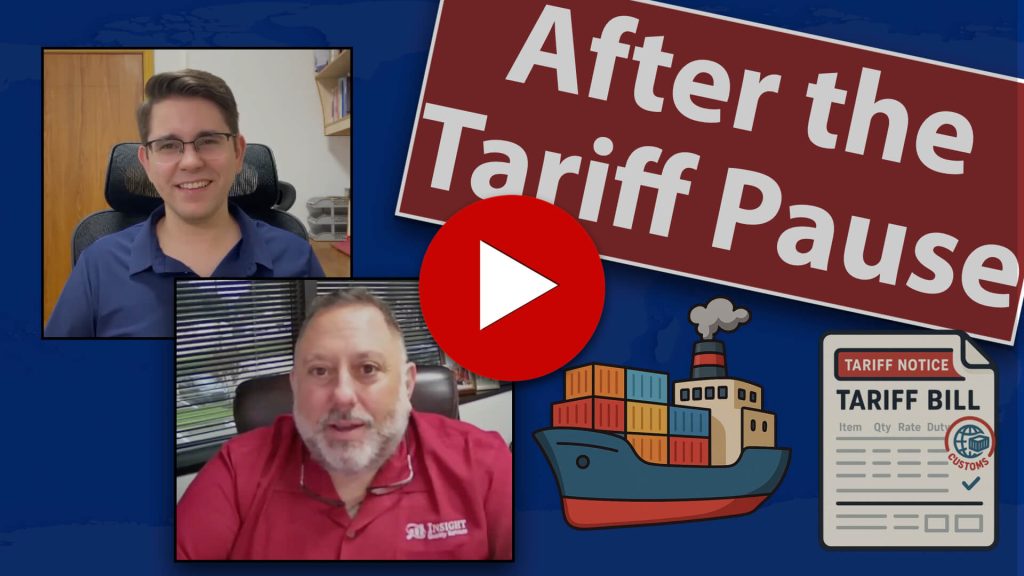
Are You Ready for the End of the Tariff Pause? (Supply Chain Signals)
Insight Team | July 21, 2025
Video